How Can Play be Therapy?
Play is more than just fun—it’s a powerful way for children to express themselves, process emotions, and learn about the world. Play is a child’s language. It is how they communicate with adults. We can learn a lot about a child and what is going on with them by watching them play. Play therapy is a structured approach that helps children work through emotional and behavioral challenges using the natural language of play.
What Is Play Therapy?
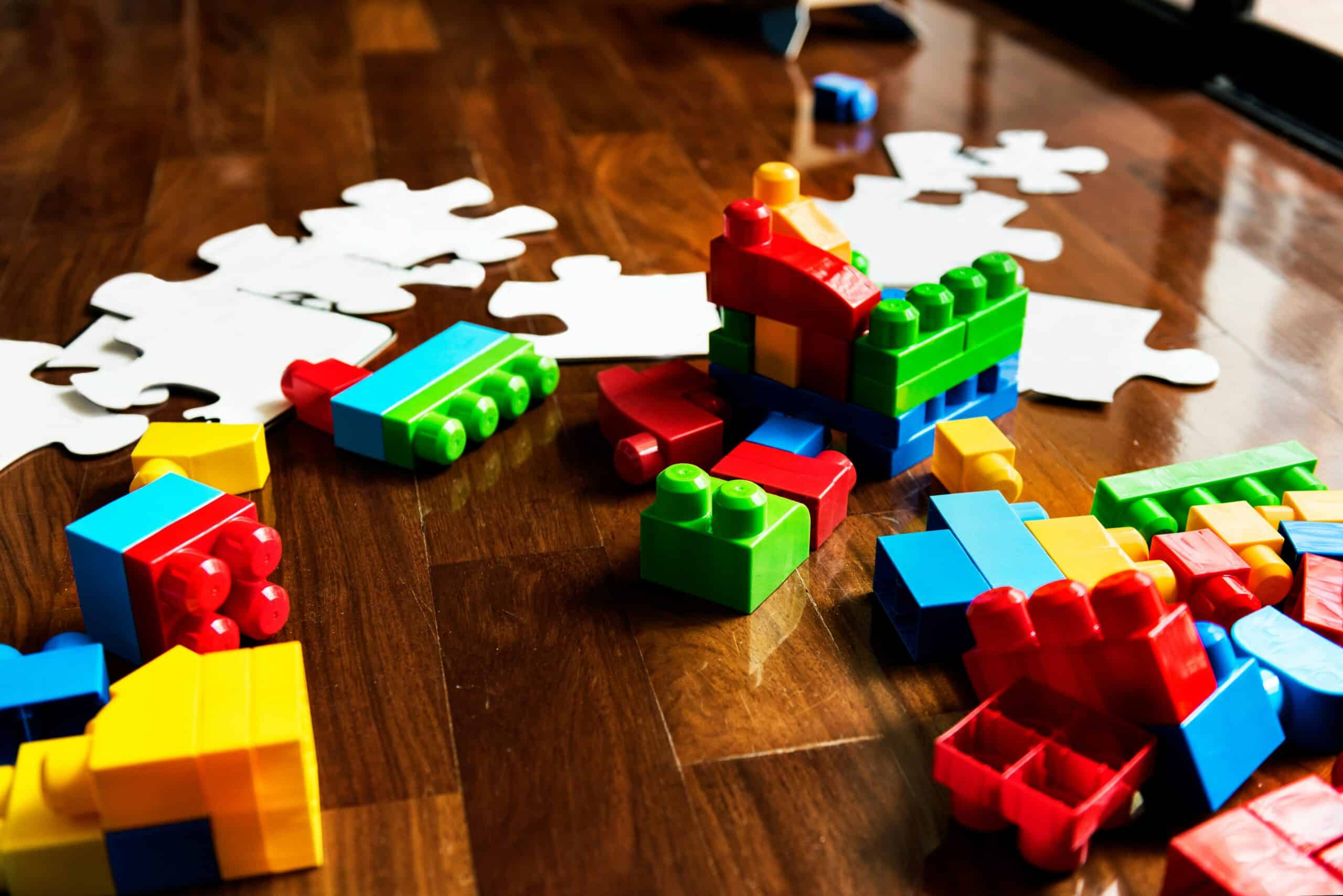
Play therapy is a form of counseling that allows children to communicate their thoughts and feelings through play rather than words. It is especially helpful for children who may not yet have the vocabulary to express what they are going through. A trained play therapist creates a safe and supportive environment where children can use toys, games, and creative activities to explore their emotions and experiences. By paying attention to what toys the child picks and their style of play, a therapist can see what they are working through. As the child continues playing they are actually working through whatever it is that is going on.
How Does Play Therapy Work?
During a play therapy session, the therapist observes and engages with the child in a way that helps them process their emotions. Some common techniques include:
• Role-playing – Children act out scenarios to express feelings and practice coping skills.
• Art and drawing – Creative activities help children communicate emotions they might struggle to put into words.
• Sand tray therapy – Using miniatures in a sandbox allows children to represent and work through experiences.
• Storytelling – Telling or acting out stories helps children process events in a non-threatening way.
Through these activities, therapists can identify themes in the child’s play and gently guide them toward understanding and coping with their emotions.
Benefits of Play Therapy
Play therapy can be beneficial for children facing a variety of challenges, including:
• Anxiety and stress
• Trauma or abuse
• Grief and loss
• Behavioral issues
• Social difficulties
• Family changes like divorce
By engaging in play therapy, children can develop emotional resilience, improve social skills, and gain confidence in expressing themselves. It also helps them build trust and feel heard in a safe space.
Why Play Therapy Matters
Children often experience big emotions they don’t fully understand. Play therapy gives them a way to explore these feelings in a healthy, constructive manner. It empowers them to cope with difficulties, strengthens emotional well-being, and lays the foundation for future growth.
For parents, teachers, and caregivers, understanding the value of play therapy can make a big difference in supporting children’s emotional and mental health. By providing a safe environment for play, we give children the tools they need to heal, learn, and thrive.