Have you heard the phrase “Kids are like sponges?” and “You get what you put it?” Well, those are very true, especially in the context of the parent-child relationship. If you think about it, the very first relationship you built was with your parents (or primary caregivers). As a matter of fact, that relationship is typically the most long-lasting as well for many individuals. If these quotes and facts do not relay the importance of the parent-child relationship enough, let’s look at some research.
Research has shown that the parent-child relationship has a significant impact on the child’s psychological development in many domains—social skills, language, and personality development. The impact of the parent-child relationship often comes from the parent’s side and how they “model” certain skills for their child. For example, a child’s language development is largely dependent upon the child’s parent’s modeled communication. In other words, the parents model the sounds, tone, and speed of words for the child before they decide to try it out themselves. The same goes for the child’s social skills. If the parents interact in one way toward other, the child will copy it—again, “sponges.”
Another study looked beyond the child’s development and into adulthood. After analyzing many factors in young adults’ lives that could contribute to the quality of their mental health, the relationship they held with their parents in childhood was the main contributing factor to the quality of their mental health as young adults. The parent-child relationship formed in the young adults’ lives also contributing to their “flourishing” and level of successfulness.
Now, you may feel a lot of pressure and may be wondering how you can help foster a healthy relationship with your child today so they can “grow up to be big and strong.” Let’s break down some practical ways that you can do this to make it a little less daunting.
Attunement is a skill whose importance is underestimated. If a parent can become attuned to the child’s emotions, thoughts, and needs, the child will then feel safe, seen, and secure. It will allow the child to build self-esteem and confidence. It will also allow the child to experience a healthy relationship with someone who “sees” them. An example of attuning with your child is simply being present with your child. Instead of wanting to change your child’s behavior, maybe paying attention to what that behavior could be communicating to you. Simply paying attention or attuning to your child and their internal and external experiences can go a long way—both now and in the future.
Respect in the parent-child relationship is typically viewed in a one-way fashion—from the child toward the parents. However, it is shown that a parent’s respect for their child is an important factor within the parent-child relationship. This respect can be formed by meeting your child’s needs that you detected on while being attuned to them. It can be formed through empowering them to be themselves fully. Respecting your child does not mean giving complying with their preferences. Children still need guidance and discipline. However, showing that you respect your child plays a positive role in the health of your parent-child relationship.
Open Communication often results from two-way attunement and respect within the parent-child relationship. When open communication is present, the child will feel more inclined to share what they are having difficulties with and seek help when they need it. It also allows you, as the parent, to celebrate with them when they share the good things about their day. Having the ability to receive and communicate well and openly simply strengthens the bond between you and your child and promotes healthier development for your child.
Quality Time is typically seen as intentional, set-aside time between two people. This is true and every moment you spend with your child can be considered “quality time” if you are intentionally attuned and present with your child. This may look like a “no phone” day where you limit phone distractions while with your child. It can also look like intentionally facing your child and looking them in the eye while talking to them at dinner. The important part is being intentional which will serve you and your child’s relationship well.
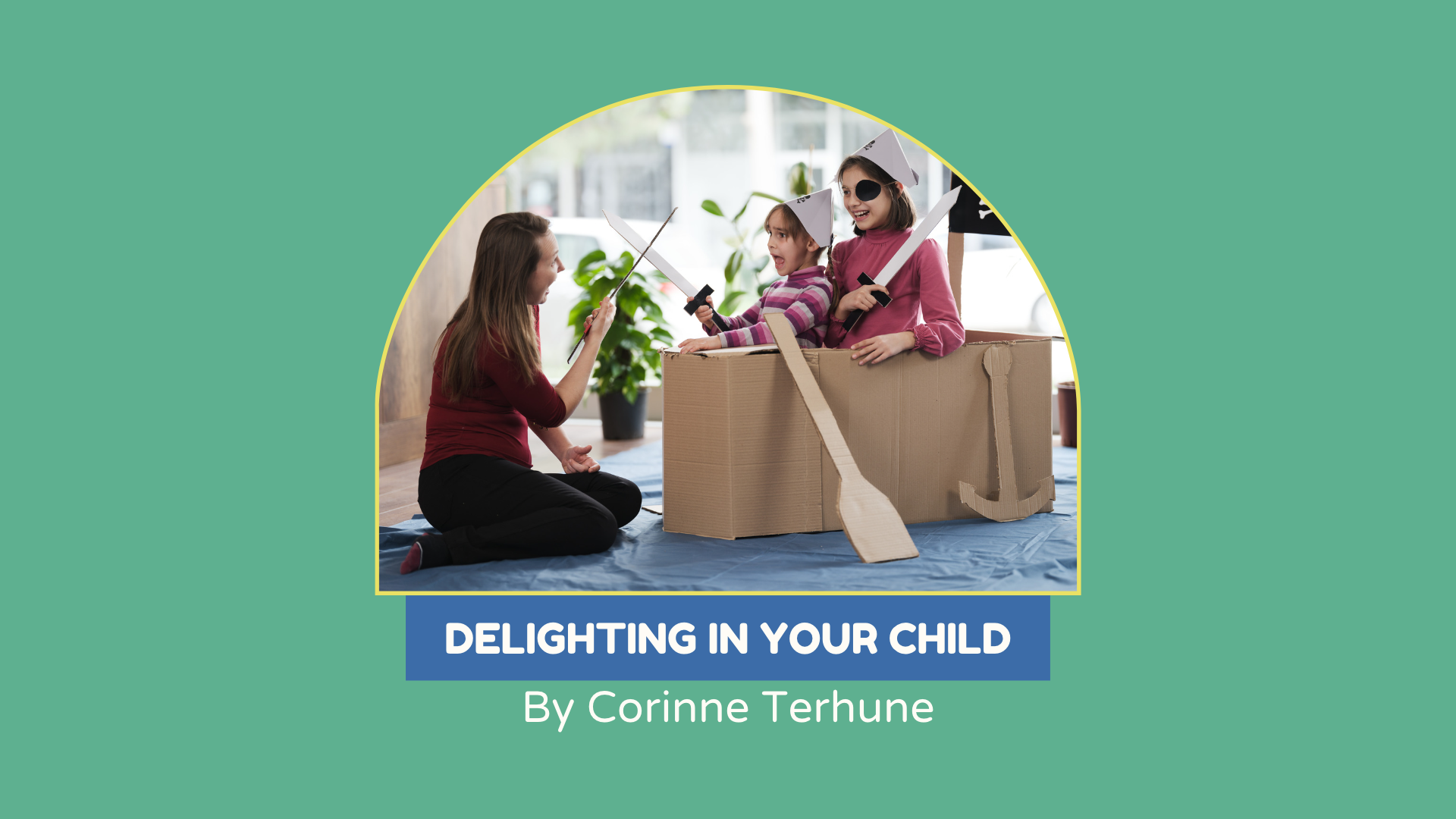
Play is often deemed as something only children do. Parents are starting to shift toward observing their children more than engaging in “free play” with them. Unfortunately, this can cause the parent-child relationship to suffer. Engaging in play with your child shows that you are present and willing to enter into their world of fantasy and “make believe.” It allows them to be themselves and feel loved for doing exactly that. It also is more fun than you would expect to let go and play again with your child.
Needless to say, there are many ways that you can strengthen your relationship with your child and, therefore, increase the likelihood of healthy development within them now and in the future.It can be overwhelming, so I encourage you to just pick one. Start small and you will start to see the difference.
Counseling is a safe space to discuss how to implement these tips and tricks into your relationship with your child as well. It is never too late to get started on building a healthy relationship with your child so that they can develop, flourish, and reach their full potential.
References
Fu, M. (2023). The Importance of the Parent-child Relationship to Children’s Psychological Development. Lecture Notes in Education Psychology and Public Media, 6(1), 286–291. https://doi.org/10.54254/2753-7048/6/20220334
Rothwell, J. T., & Davoodi, T. (2024). Parent-child relationship quality predicts higher subjective well-being in adulthood across a diverse group of countries. Communications Psychology, 2(1). https://doi.org/10.1038/s44271-024-00161-x
Shenfield, D. T. (2023, October 23). The Importance of a Healthy Parent-Child
Relationship. Child Psychology Resources by Dr. Tali Shenfield. https://www.psy-ed.com/wpblog/attachment-parents-children/